




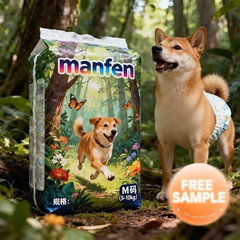

A pet's diet is fundamental to its health. Different breeds, ages, and weights of pets require different nutritional components and food quantities.
For cats and dogs, high-quality pet-specific food is usually the primary food source. When choosing pet food, carefully check the ingredient list to ensure it contains sufficient protein, fat, vitamins, and minerals. For puppies, choose a food specifically formulated for their growth and development, rich in nutrients to support their rapid growth.
For adult pets, food intake should be controlled according to their activity level and weight to prevent obesity. It's also important to feed them regularly and in measured portions to establish good eating habits.
In addition to dry food, appropriate amounts of wet food and treats can be used as a supplement, but be careful not to let them interfere with their appetite for regular meals.
In some special cases, such as when a pet has an illness or allergy, a special prescription diet may be necessary. For example, cats with kidney disease may need a low-phosphorus, low-protein prescription diet; dogs with food allergies may need a grain-free special diet.
Furthermore, water is an essential part of a pet's diet. Ensure your pet has access to clean, fresh water at all times.