

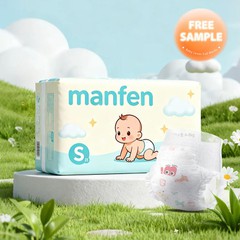



What Is a Disposable Baby Diaper?
A disposable baby diaper is a personal care product that helps collect and hold a baby's urine and stool. Parents use diapers every day. Most babies wear diapers from birth until toilet training.
A diaper looks simple from the outside. Yet several layers work together inside the product. Each layer has a different job. These layers help keep babies comfortable and help keep clothing dry.
Why Diapers Matter in Daily Life
Parents change diapers many times each day. A good diaper can make daily care easier.
I often hear parents talk about the same thing. They want a diaper that fits well. They want a diaper that feels soft. They also want a diaper that helps keep their baby's skin dry.
These needs are simple. Yet they are important.
What Are the Main Parts of a Disposable Diaper?
Most disposable diapers contain several basic parts.
Top Sheet
The top sheet touches the baby's skin.
This layer helps move liquid away from the skin. The layer also helps the surface feel drier after urination.
Absorbent Core
The absorbent core sits inside the diaper.
This part stores liquid. The core is one of the most important parts of the diaper.
Many modern diapers use fluff pulp and super absorbent polymer materials in the absorbent core.
Back Sheet
The back sheet forms the outer layer of the diaper.
This layer helps stop liquid from leaking through the diaper.
Leg Cuffs
Leg cuffs sit around the baby's legs.
These barriers help reduce leakage around the sides.
Waistband and Fastening System
The waistband helps the diaper fit the baby's body.
Tape tabs or hook-and-loop fasteners help secure the diaper in place.
How Does a Disposable Diaper Absorb Liquid?
The process is simple.
The top sheet allows liquid to pass through.
The absorbent core receives the liquid.
The absorbent materials store the liquid inside the core.
The outer layer helps prevent leakage.
This design helps keep moisture away from the baby's skin for a period of time.
Why Is Proper Fit Important?
A diaper can only work well when it fits properly.
A diaper that is too small may leave marks on the baby's skin.
A diaper that is too large may increase the risk of leakage.
Parents should check the manufacturer's size guide. Parents should also watch how the diaper fits around the waist and legs.
Every baby grows at a different rate. Size selection should match the baby's body shape and weight.
What Causes Diaper Leakage?
Several factors can increase the chance of leakage.
Wrong Size
A poor fit is one of the most common reasons for leakage.
Full Diaper
A diaper can only hold a certain amount of liquid. Parents should change diapers regularly.
Incorrect Position
The diaper should sit evenly around the baby's waist and legs.
Active Movement
Some babies crawl, roll, and walk frequently. Movement can affect diaper fit during the day.
How Can Parents Help Protect Baby Skin?
Parents can take several simple steps.
- Change diapers regularly.
- Clean the skin gently during changes.
- Allow the skin to dry before putting on a new diaper.
- Choose a diaper size that fits correctly.
- Watch for signs of skin irritation.
Parents should contact a healthcare professional if skin problems continue.
What Should Buyers Look for When Sourcing Diapers?
Many distributors and private label brands buy diapers from manufacturers.
Buyers often focus on several factors.
- Product quality
- Manufacturing capacity
- Stable supply
- Packaging options
- Private label service
- Regulatory compliance in the target market
Each market may have different requirements. Buyers should verify product specifications before placing orders.
The Future of the Diaper Industry
The diaper industry continues to change.
Manufacturers keep improving comfort, fit, and absorption performance.
Parents also pay more attention to skin-friendly materials and product quality.
At the same time, brands continue to develop products for different age groups and different consumer needs.
FAQ
1.How often should a baby diaper be changed?
The answer depends on the baby's age, feeding habits, and condition. Parents should change diapers whenever they become soiled or heavily wet.
2.Do all diapers use the same materials?
No. Different manufacturers may use different materials and designs.
3.Does a larger diaper absorb more liquid?
Not always. Product design varies between manufacturers. Buyers should review the product specifications provided by the supplier.
4.Can diaper fit affect comfort?
Yes. A proper fit can help improve comfort and reduce leakage.
Conclusion
Disposable baby diapers play an important role in daily baby care. Several layers work together inside each diaper. These layers help manage moisture and improve comfort. Parents should choose the correct size and change diapers regularly. Buyers should carefully review product specifications before making sourcing decisions.