






Pull-Ups vs Diapers: What's the Difference and When Should You Switch?
Pull-ups and regular diapers both absorb urine and help protect against leaks. The main difference is how they fit and how you put them on. Regular diapers have adjustable side tapes, while pull-ups have a stretchy waistband that lets children step into them like underwear.
For younger babies who spend most diaper changes lying down, taped diapers are often more convenient. Pull-ups can be easier for active toddlers who dislike lying still or are beginning to use the potty.
You don't have to switch at a particular age. The better choice depends on your child's movement, body shape, changing routine, and how well the diaper fits.
Pull-Ups vs Diapers: What Are the Main Differences?
Both products serve the same basic purpose, but their fastening systems create a different experience for parents and children.
A regular disposable diaper opens flat and fastens around the waist with side tapes. You can adjust each side independently, which is particularly helpful when changing a baby who is lying down.
A pull-up diaper, sometimes called a diaper pant, has an elastic waistband that stretches around the waist. Rather than fastening side tapes, you guide the child's legs through the openings and pull the pants into position. Many pull-up styles also have tear-away side seams so they can be removed without pulling a soiled diaper down the legs.


Actual LECHEN product images: pull-on elastic waist versus adjustable side-fastening design.
Pull-Ups vs Regular Diapers at a Glance
| Feature | Regular Taped Diapers | Pull-Up Diapers |
|---|---|---|
| Waist design | Adjustable side tapes | Stretch waistband |
| How to put on | Wrap and fasten | Pull up like underwear |
| Changing position | Convenient when lying down | Convenient for standing changes |
| Fit adjustment | Tapes allow adjustment on each side | Depends mainly on elastic fit and correct size |
| Typical use | Newborns, infants and toddlers | Active babies and toddlers |
| Removal | Open the fastening tapes | Tear open side seams, where provided |
| Potty training | Can still be used | Easy to pull down and back up |
| Absorbency | Depends on product design | Depends on product design |
A pull-up is not automatically more absorbent, more comfortable, or better at preventing leaks. Those qualities depend on the actual product and how it fits your child.
When Should You Switch From Diapers to Pull-Ups?
There is no required age for switching to pull-ups. Some families make the change when their baby starts crawling or walking. Others wait until diaper changes become difficult or their toddler begins showing interest in using the toilet.
You may find pull-ups worth trying when your child:
- Rolls away or becomes restless during changes
- Prefers standing rather than lying down to get dressed
- Has started walking and moving more independently
- Tries to undo diaper tapes
- Wants to help pull clothing up and down
- Is beginning to practice toilet routines

A flexible waist can make dressing more convenient when toddlers become more active.
These are practical reasons to try a different diaper style, not developmental deadlines. A younger baby can continue wearing regular diapers even after learning to walk. Likewise, a toddler who has not started potty training can wear pull-ups if the fit and changing method work better for the family.
Start with a small pack in the appropriate size. If changes become easier and the waistband and leg openings fit securely, there may be a good reason to continue using them.
Does Switching Mean Your Child Is Ready for Potty Training?
Not necessarily. Being able to wear pull-ups and being ready to use the toilet are two different things.
Toilet training involves recognizing the need to urinate or have a bowel movement, understanding what that feeling means, and gradually learning to communicate and act on it.
The American Academy of Pediatrics' guidance on potty-training readiness explains that these physical, thinking and communication skills develop over time.
Pull-ups can make it easier for children to practice managing their clothing, but wearing them does not automatically teach bladder control.
Are Pull-Ups as Absorbent as Regular Diapers?
Pull-ups can provide substantial absorbency, but there is no universal rule that they hold more or less urine than taped diapers. The amount of liquid a diaper can absorb depends on its core materials, thickness, size and construction.
Both styles commonly use superabsorbent polymer (SAP), a material that absorbs and retains liquid inside the diaper. The absorbent core works together with a liquid-distribution layer, surface material and leak guards.
However, not all pull-on products are made for the same purpose. Some are designed as fully absorbent diaper pants for everyday wear. Others are training pants that emphasize underwear-like handling and may be intended to manage smaller accidents during toilet training. That distinction matters more than the word "pull-up" on the packaging.

Absorbency depends on the internal construction and fit, not just the fastening style.
What Matters More Than the Diaper Style?
When comparing products, pay attention to how quickly liquid enters the absorbent core, how well moisture stays inside it, and whether the waist and leg openings maintain a secure fit.
A diaper may have a highly absorbent core and still leak if it is too loose around the legs or shifts out of position. Similarly, a thick diaper is not necessarily more absorbent than a thinner one. Core construction and material selection are more useful indicators than appearance alone.
For example, LECHEN's 3D perforated baby pull-ups combine an approximately 3 mm absorbent core with a 360° stretch waistband, flexible leg guards and tear-away sides.
By comparison, its disposable baby diapers with a highly absorbent core use adjustable side-fastening tapes and are available across a broader range of infant sizes.
These examples show how different fastening and fit designs can be used with absorbent diaper constructions. They do not establish that one style outperforms the other without comparable product testing.
Which Is Better for Active Babies and Toddlers?
Pull-ups can make everyday dressing more convenient once a child is regularly crawling, standing or walking.
A stretchy waistband moves with the body as a toddler bends, squats or plays. Pull-on dressing can also be less frustrating when a child refuses to lie down for a taped diaper change.

The elastic waist is designed to flex as the child changes position.
That doesn't mean regular diapers restrict movement by default. A correctly sized taped diaper can remain comfortable and secure throughout normal activity. The difference is often more noticeable during changing than during wearing.
Consider an active toddler who stands beside a parent while getting dressed. Pull-ups can be slipped over the feet and pulled into place without positioning side tapes. For a sleepy infant lying on a changing mat, opening a taped diaper and placing a fresh one underneath may be simpler. Neither approach is right for every situation.
How Do You Change a Pull-Up Diaper After Poop?
One concern parents often have is how to remove a messy pull-up without spreading stool onto the child's legs. The easiest method depends on the product's side construction.
If the pull-up has tear-away side seams, open them before removing the diaper. This allows the used product to be taken away from the body rather than pulled down like ordinary underwear.
For a typical disposable pull-up with tear-away sides:
- Have your child stand securely on the floor or lie on a safe changing surface.
- Carefully tear open both side seams.
- Hold the soiled diaper away from the body as you remove it.
- Clean the diaper area gently and thoroughly.
- Allow the skin to dry before putting on a fresh diaper.
- Guide each leg through the new pull-up and pull the waistband into place.
- Check that the leg cuffs are sitting correctly and are not folded inward.
Products with tear-away side seams can be opened for easier removal after a messy change.
If the sides do not open, follow the manufacturer's removal instructions. A standing change is not always the easiest choice, particularly after a messy bowel movement. It is fine to return to a lying-down change when you need better access for cleaning.
Never leave a child unattended on an elevated changing surface.
Does the Type of Diaper Affect Diaper Rash?
Both taped diapers and pull-ups need to be changed regularly.
The American Academy of Pediatrics' advice on diaper rash emphasizes frequent changes, gentle cleaning and limiting prolonged contact with urine and stool.
A pull-up that feels dry on the outside may still need changing. High absorbency should not be treated as a reason to leave a soiled diaper on for longer. If irritation persists, becomes severe or is accompanied by broken skin, seek advice from a pediatrician.
Are Pull-Ups Better for Potty Training?
Pull-ups can be useful during toilet training because a child can practice pulling them down before using the potty and pulling them back up afterward. That clothing movement is one part of becoming more independent.
However, pull-ups do not replace learning to notice the urge to go, reaching the toilet, sitting comfortably and following a regular bathroom routine.
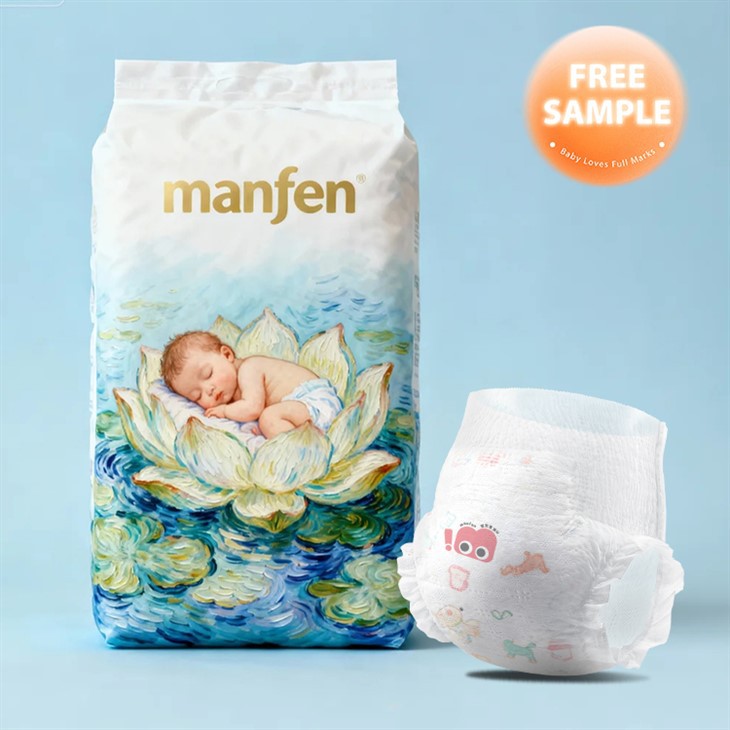
Training pants may be convenient for practicing everyday dressing and toilet routines.
Some families prefer absorbent training pants during the early stages because accidents are easier to manage. Others move to cloth training underwear or ordinary underwear when they want the child to notice wetness more clearly. Both approaches can be reasonable.
The American Academy of Pediatrics recommends a positive, consistent potty-training plan, with progress guided by each child's readiness rather than pressure or punishment.
The goal is to help your child learn a skill, not to reach a particular age or switch products by a fixed date.
Pull-Ups vs Diapers at Night: Which Should You Use?
For nighttime use, absorbency and fit are generally more important than whether a diaper has side tapes or a pull-on waistband. A child who stays dry in regular diapers during the day may need a different absorbent configuration overnight.
Likewise, a pull-up that fits comfortably for daytime activity may not be the best option for a long night.
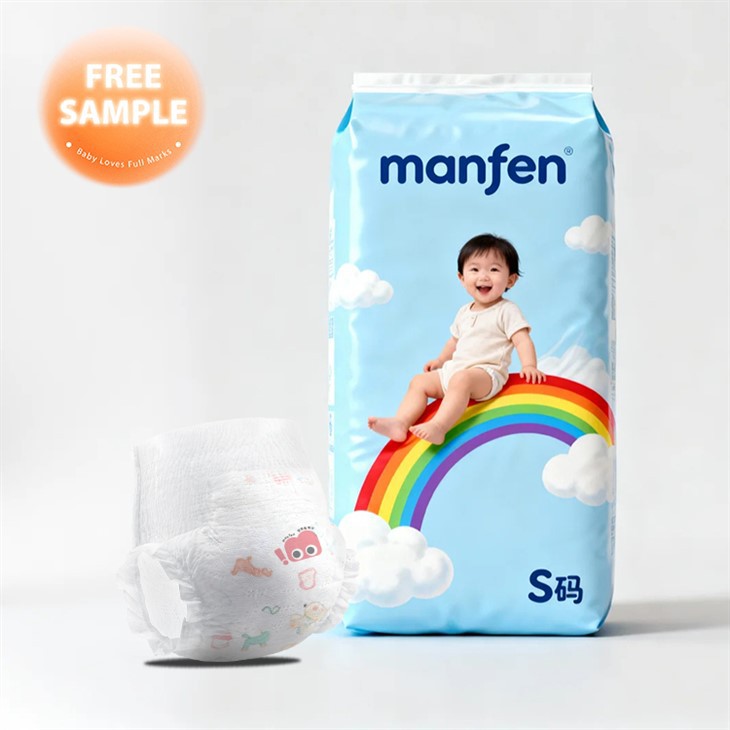
Nighttime protection is a separate choice based on fit and the product's absorbency specification.
When choosing nighttime protection, consider:
- Whether the product is intended for overnight use
- How well the absorbent core handles your child's typical nighttime wetting
- Whether the waistband stays in place during sleep
- Whether the leg guards sit securely when the child changes position
- Whether leaks occur near the waist, legs or through a saturated core
A persistent leak around the leg opening may indicate a fit issue rather than insufficient absorbency. If the core is saturated when leakage occurs, a different absorbency specification may be more appropriate.
Children also develop daytime and nighttime toilet control at different rates. The AAP's guidance on the stages of toilet training explains why a child may stay dry during the day but continue needing protection during sleep.
There is no need to stop using nighttime diapers simply because your child has started using the toilet during the day.
How Do You Choose the Right Pull-Up Size?
Start with the manufacturer's weight and size chart, then check the actual fit around the waist and thighs.
The waistband should stay in place when your child bends or squats without digging into the skin. Leg openings should sit securely without large gaps or excessive pressure.

Check the waist and leg openings for a secure, comfortable fit.
After putting on a fresh pull-up, look for three things:
- Waist fit: The waistband lies comfortably around the waist and does not roll or slide down during movement.
- Leg fit: The cuffs sit around the thighs without folding inward or leaving obvious gaps.
- Coverage: The absorbent area remains correctly positioned as your child walks, sits or crawls.
Frequent leakage, deep pressure marks or difficulty pulling the pants into place can be signs that the size or style needs to change.
Size labels are not necessarily interchangeable between brands. A child wearing Size 5 in one product may need a different labeled size in another.
If you are still using taped diapers, LECHEN's guide to proper baby diaper use includes additional guidance on fastening and positioning leg guards.
Can You Use Regular Diapers and Pull-Ups Together?
Yes. Many families find that using both styles is more practical than choosing one exclusively.
For example, regular taped diapers may remain convenient for changing a younger baby while lying down. Pull-ups may be easier for a toddler who prefers standing changes or is practicing pulling clothing up and down.
Some families also choose different products for daytime and nighttime use. What matters is whether each product fits well, absorbs adequately and makes changing manageable.
You do not need to finish using regular diapers permanently once you introduce pull-ups.
What Should Buyers Look for in Baby Pull-Up Products?
For baby care brands, retailers and distributors, the difference between taped diapers and pull-on pants also affects product assortment and manufacturing specifications.
A pull-up product line may need different waistband elasticity, size grading, side-seam construction and packaging from a regular taped diaper range.
Beyond appearance, buyers should assess fit consistency, absorbent-core performance, leakage resistance and ease of removal. Tear-away seams, for example, need to remain secure during normal movement while still opening when intentionally pulled apart.
Sample evaluation is particularly useful when comparing different sizes and absorbency configurations.
LECHEN supplies baby pull-up diapers and training pants for private-label and wholesale projects, with options for material configuration, absorbency, sizing, printing and packaging.
Brands planning a pull-up or taped-diaper product range can contact LECHEN to discuss samples and specifications before production.
Frequently Asked Questions
Pull-ups are a type of disposable diaper. They have an underwear-style waistband instead of the adjustable side tapes commonly used on regular diapers. Both can absorb urine, although their specific constructions and intended uses vary.
When should I start using pull-ups?You can try pull-ups when your child becomes more active, prefers standing changes or begins practicing toilet routines. There is no fixed age. The product must be available in an appropriate size and fit securely.
Do pull-ups hold as much pee as regular diapers?Some can offer comparable absorbency, but it depends on the particular products. A fully absorbent diaper pant and a lighter training pant may be made for different needs. Compare the intended use, absorbent core and fit rather than relying on product names.
Are pull-ups better than diapers for potty training?Pull-ups can make it easier for children to practice lowering and raising their pants. They are a convenient option, but successful toilet training also depends on developmental readiness, routine and support.
Do you have to remove pants to change a pull-up?Putting on a conventional closed-waist pull-up usually requires access to the child's legs, which may mean taking trousers off or removing one leg from the clothing. For a soiled pull-up with tear-away side seams, open the seams to remove it without pulling it down the legs.
Can babies wear pull-ups before they can walk?Yes, if the particular pull-up is available in the correct size and fits properly. Walking is not a universal requirement. However, taped diapers are often easier to put on younger babies during lying-down changes.
Can pull-ups be worn overnight?Yes, provided the product is suitable for overnight use and offers adequate absorbency and fit. Some daytime training pants may not be appropriate for longer sleep periods. Choose according to the product's specifications and your child's needs.
Are pull-ups more expensive than regular diapers?That varies by brand, size, pack quantity and product construction. Compare the cost per piece for similar sizes and specifications rather than assuming one style is always more expensive.
Finding the Right Fit for Your Child
The decision between pull-ups and regular diapers does not have to be permanent.
Taped diapers offer convenient, adjustable fastening, especially for younger babies. Pull-ups offer underwear-style dressing that can simplify changes for active toddlers and support growing independence.
Neither style is automatically better at preventing leaks or keeping skin dry. A secure fit, appropriate absorbency and timely changes remain essential.
Choose the product that suits your child's current needs, and feel free to use both when different situations call for different solutions.