



Introduction
If you've ever worked in the baby care industry, you know one thing for sure-not all diapers are created equal.
On the surface, most disposable baby diapers look similar. But once you start comparing absorption, softness, fit, and manufacturing quality, the differences become pretty clear.
Whether you're a distributor, launching your own brand, or sourcing from overseas suppliers, understanding how diapers are made-and what actually matters-can save you a lot of time (and money).
1. It All Starts with the Materials
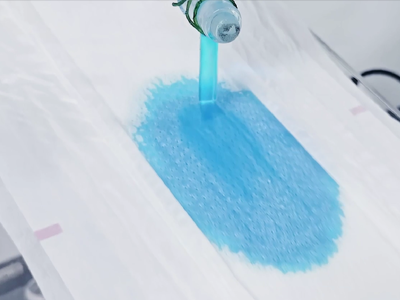
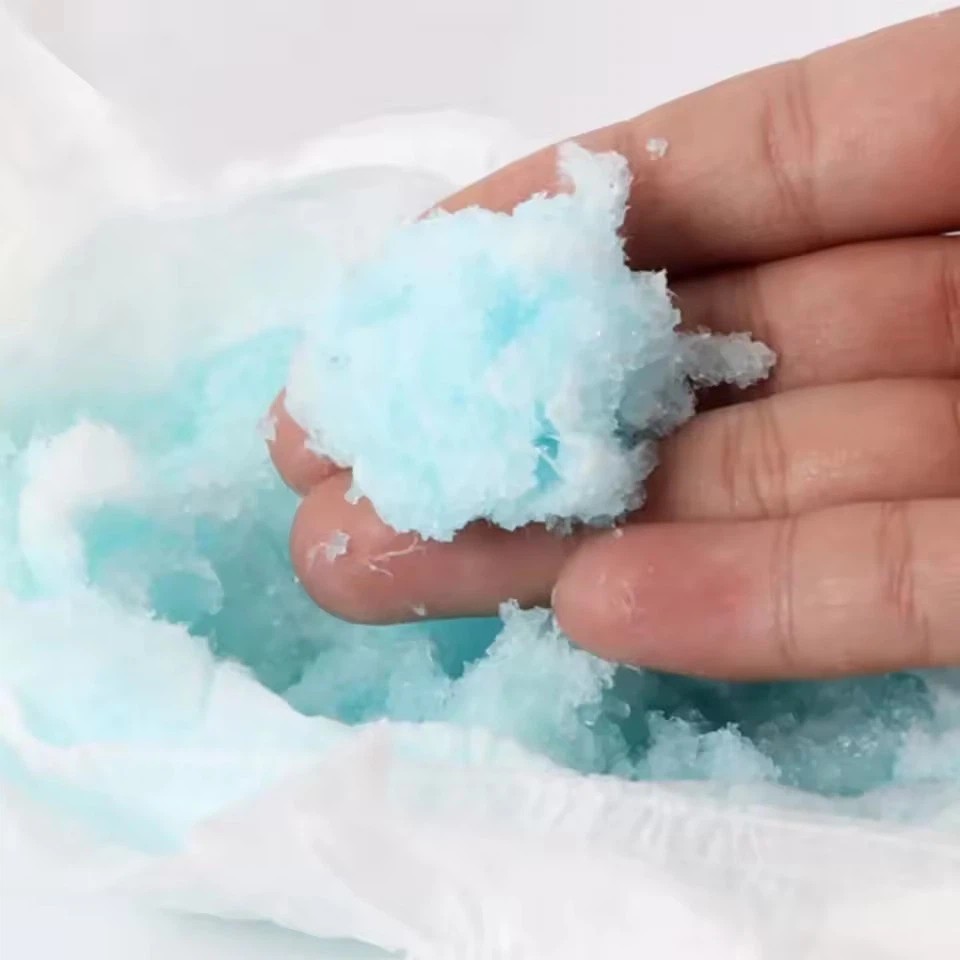
At the core of every diaper is its ability to absorb and lock in moisture. That mostly comes down to two things: SAP (super absorbent polymer) and the overall structure.
A good diaper will:
Absorb quickly (no pooling on the surface)
Lock moisture inside (so it doesn't come back up)
Stay relatively thin even after absorbing liquid
Lower-quality diapers tend to feel bulky and can leak more easily, especially overnight.
2. Fit and Comfort Matter More Than You Think
A diaper can have great absorption, but if the fit isn't right, it won't perform well.
Things to look for:
A stretchy waistband that moves with the baby
Soft leg cuffs that help prevent leaks
Breathable materials that don't trap heat
Parents care a lot about comfort, especially for overnight use. If a diaper leaves marks or causes irritation, it won't last long in the market.
3. Manufacturing Quality Makes a Big Difference
This is something many buyers overlook at first.
Two diapers may use similar materials, but the production process can change everything.
Reliable manufacturers usually have:
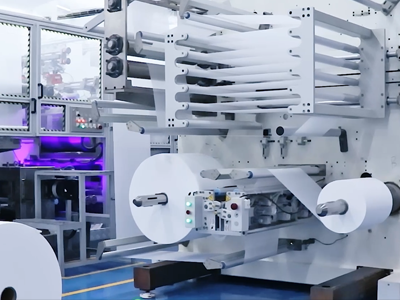
Fully automated production lines
Clean or dust-controlled workshops
Consistent quality checks
This ensures every batch performs the same-not just the samples you receive.
4. Private Label Is Growing Fast
More businesses are entering the diaper market through private label.
Instead of building a factory, they work with manufacturers who can:
Customize packaging
Adjust diaper thickness or absorption
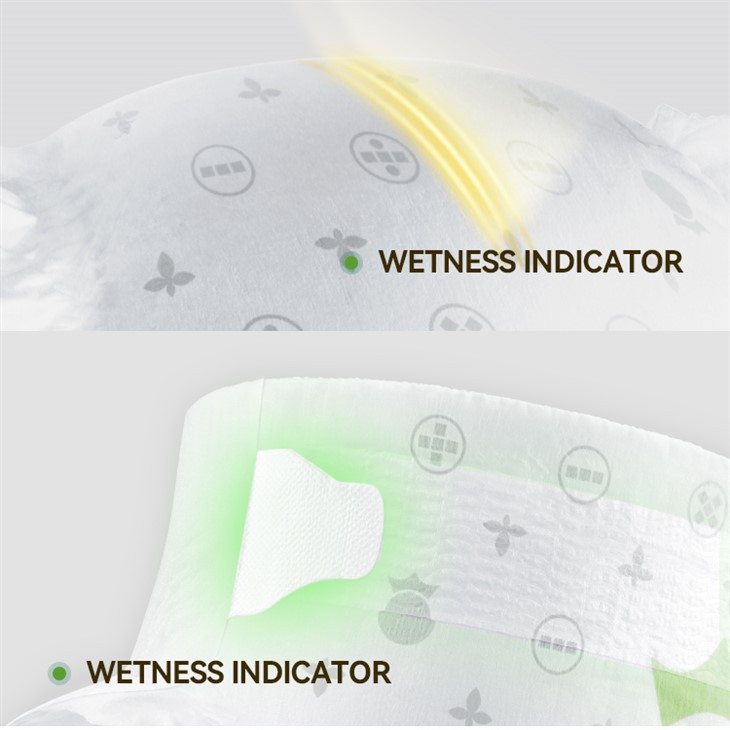
Add features like wetness indicators
It's a practical way to build a brand without huge upfront investment.
5. Trends You Shouldn't Ignore
The diaper industry isn't standing still. A few trends are shaping the market right now:
Thinner diapers with higher absorption
More skin-friendly materials
Eco-conscious options (reduced plastic, biodegradable layers)
Premium positioning for better margins
If you're planning to enter the market, aligning with these trends can make a big difference.
6. What Buyers Should Really Focus On
After working with different suppliers, most experienced buyers will tell you the same thing-focus on consistency, not just price.
Here's a simple checklist:
Does the diaper perform well after 2–3 hours?
Is the quality stable across different batches?
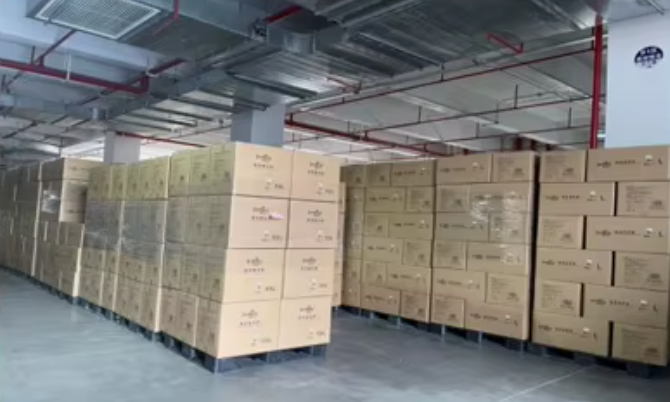
Can the supplier handle scale?
Are customization options flexible?
A slightly higher unit price often pays off if it reduces complaints and returns.

The baby diaper business may look simple from the outside, but there's a lot going on behind the scenes.
From materials and fit to manufacturing and branding, every detail affects how the product performs-and how well it sells.
If you take the time to understand these basics, you'll be in a much better position to choose the right supplier and build a product that actually works in the market.